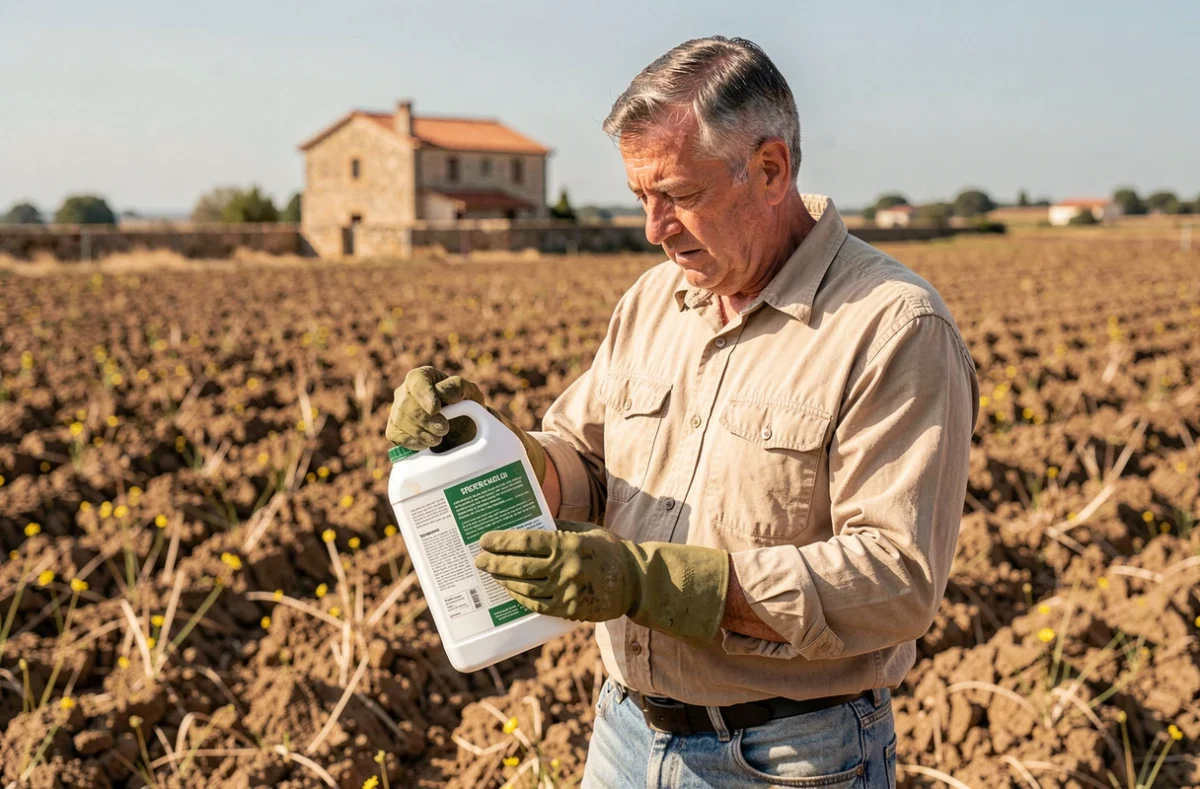
Glyphosate 360, a concentrated broad-spectrum herbicide, remains accessible to agricultural professionals in Portugal. Purchasing this product from France or locally requires knowledge of local regulations, which differ significantly from the French framework. Portugal has restricted sales to individuals, maintained professional authorizations, and allowed municipalities some leeway, creating a sometimes confusing regulatory landscape.
Portuguese Glyphosate Regulation: What Decree-Law 101/2009 Changed
The Portuguese legal framework is based on an amendment to Decree-Law No. 101/2009, which specifically targets the non-professional use of plant protection products. Since this revision, the sale and use of products containing glyphosate are prohibited for individuals for domestic use.
Agricultural professionals retain the right to purchase and apply glyphosate 360, provided they comply with the training and traceability obligations imposed by national regulations. This distinction between professional and domestic use is stricter than in France, where the ban for individuals covers all synthetic plant protection products since the Labbé Law.
At the European level, the Commission renewed the approval of the active substance glyphosate for an additional ten years at the end of 2023, in accordance with Regulation (EC) No. 1107/2009. Before considering a purchase, it is essential to verify that glyphosate 360 in Portugal has a valid market authorization in the country, as European approval of the substance does not automatically grant authorization for the commercial product.
Municipal Disparities in Portugal: Porto, Gaia, and Local Ambiguity
The national law does not cover everything. Portuguese municipalities implement sometimes contradictory policies, complicating the landscape for a foreign buyer.
Porto ceased all use of glyphosate as of March 2015, in response to the classification of the substance as “probably carcinogenic” by the International Agency for Research on Cancer (IARC/WHO). The city opted for alternative weeding methods in its public spaces.
In contrast, in the neighboring municipality of Vila Nova de Gaia, the service provider SUMA continues to apply glyphosate-based herbicides on sidewalks and roads. This coexistence of opposing practices just a few kilometers apart illustrates the heterogeneity of the Portuguese landscape.
For a French professional wishing to purchase glyphosate 360 in Portugal, this fragmentation has a direct consequence: the legality of use depends as much on the municipality as on national law. Verification with the relevant municipality is essential before any application.
Precautions Related to Cross-Border Purchase of Plant Protection Products
Buying a plant protection product in one EU country for use in another is not a simple commercial act. European regulation stipulates that each product must have market authorization in the country of use, not just in the country of purchase.
A glyphosate 360 authorized in Portugal may not be authorized in France under the same formulation. Adjuvants, co-formulants, and usage conditions vary from country to country. Bringing back a can purchased in Lisbon to treat a plot in Charente exposes one to regulatory infringement, even if the active substance is identical.
- Check that the product bears a valid market authorization number (AMM) in the country of use, not just in the country of purchase.
- Verify the actual concentration of glyphosate and the list of co-formulants on the label, which must be written in the language of the destination country.
- Ensure that the buyer holds the required training certificate (Certiphyto in France, equivalent certificate in Portugal) to handle professional plant protection products.
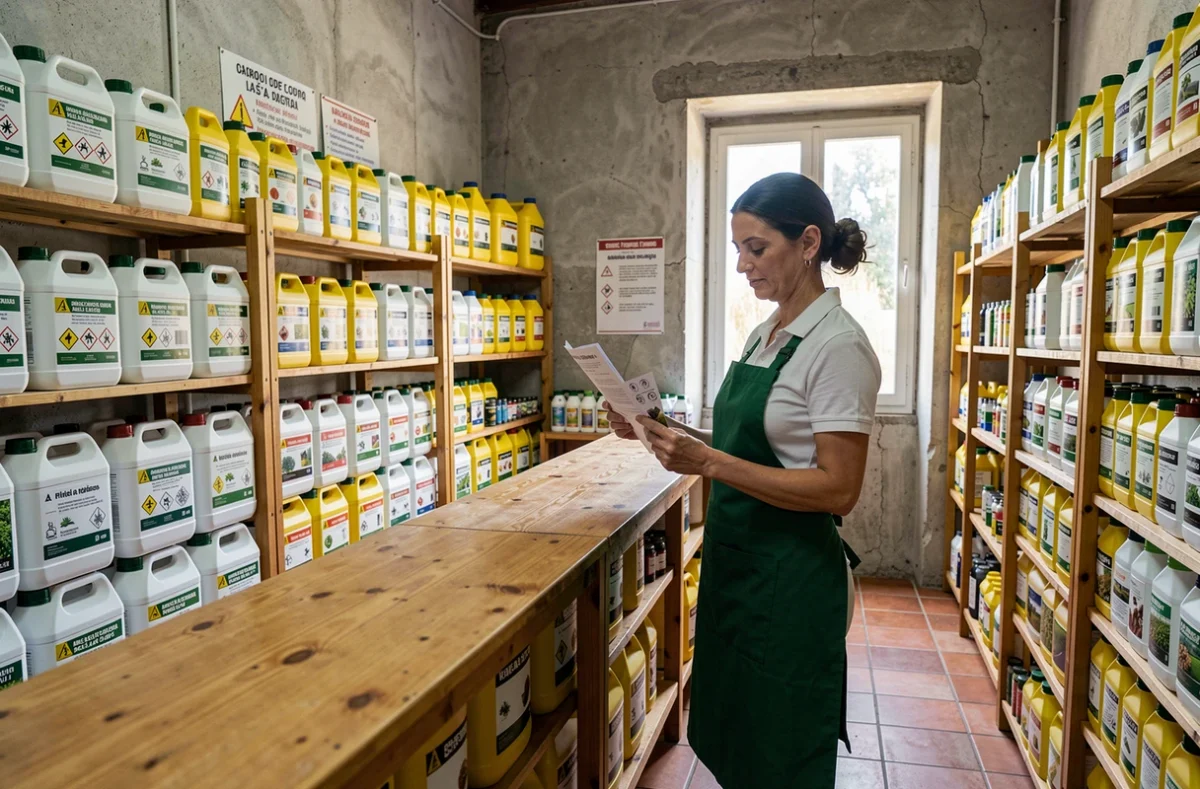
- Keep the safety data sheet of the product, which details the classification according to the CLP regulation (notably the H411 mention for chronic aquatic toxicity, present on the Glyphosate 360 TF sheet).
This classification imposes treatment distances from watercourses and specific storage conditions.
Glyphosate 360 and Alternatives: The Portuguese Market Context
Portugal, like France, faces a tension between agricultural professionals’ dependence on glyphosate and increasing regulatory pressure. The product remains popular for its effectiveness on perennials, rapid action, and moderate cost compared to mechanical weeding solutions.
Available alternatives (thermal weeding, mechanical, biocontrol) exist, but their adoption remains uneven across sectors. Field feedback varies on this point: some Portuguese operators believe that the cost of alternatives makes a shift to entirely mechanical methods difficult to sustain, while other municipalities like Porto demonstrate that functioning without glyphosate is possible at the urban level.
The price of glyphosate 360 in Portugal remains lower than that in France, fueling a flow of cross-border purchases. This price difference is partly explained by variations in taxation and distribution structure. However, an attractive price does not exempt one from verifying the regulatory compliance of the product.
Safety of Use and Training Obligations
In Portugal, the application of plant protection products for professional use requires certified training. The Portuguese system mandates a competency certificate comparable to the French Certiphyto, without which purchase at a professional point of sale is refused.
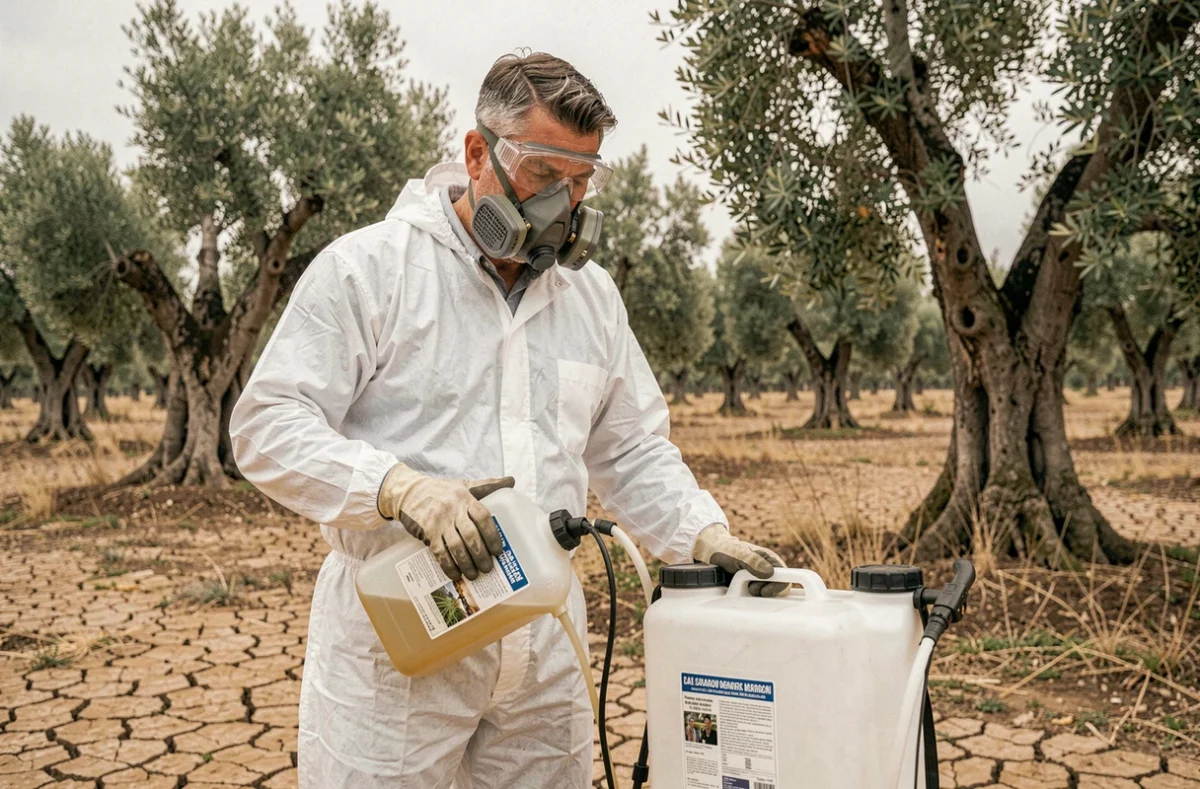
- The use of personal protective equipment (gloves, mask, suit) is mandatory during handling and application.
- Storage must comply with the safety data sheet instructions: ventilated area, away from foodstuffs and water sources.
- Any incident of accidental exposure must be reported in Portugal via local health services or the poison control center.
The absence of certified training makes the purchase illegal, whether one is a Portuguese resident or a foreign buyer. Inspections at points of sale exist, although they remain variable depending on the stores and regions.
The regulatory framework for glyphosate 360 in Portugal combines European, national, and municipal rules that do not always align. An informed purchase requires verifying three levels: product authorization, local legality of its use, and the buyer’s compliance with training requirements. The available data do not allow for predictions on whether Portugal will further tighten its restrictions in the coming years, but the European trend remains towards increased regulation.